Greetings friends! I write this from the high speed train from Budapest to Salzburg. My last day in Hungary was a memorable one, and included one of the attractions I was looking forward to most.
Another theme for this trip has been history.
Some of you probably know that I’ve been playing a lot of medieval themed video games lately, as well as reading fantasy novel that involve castles, battles, and in particular, sieges.
Why has siege warfare interessted me so much? For one, it’s pretty fun to launch or defend against a siege in a video game where there are no true consequences and you can just reload your save if the battle isn’t going your way.
I recently read two books by K.J Parker, “Sixteen Ways to Defend a Walled City” and “How To Rule an Empire and Get Away with It”. Both revolve around a fictional city defending against a long siege from a massive army. Interesting characters and good humor. Highly recommend if you enjoy low fantasy or fiction in general.
I decided to take a day trip to the town of Eger, about 2 hours away from Budapest by train. It’s the site of a famous siege during Hungary’s war with the Ottoman Empire in the 16th century. The castle site still stands, as well as a small museum.
Upon arrival at Eger, it was immediately clear that this wasn’t exactly the same kind of hotspot for tourists like Buda Castle was back in the capital. Most of the town looks like a pretty modern small town until you get closer to the town square and castle gates.
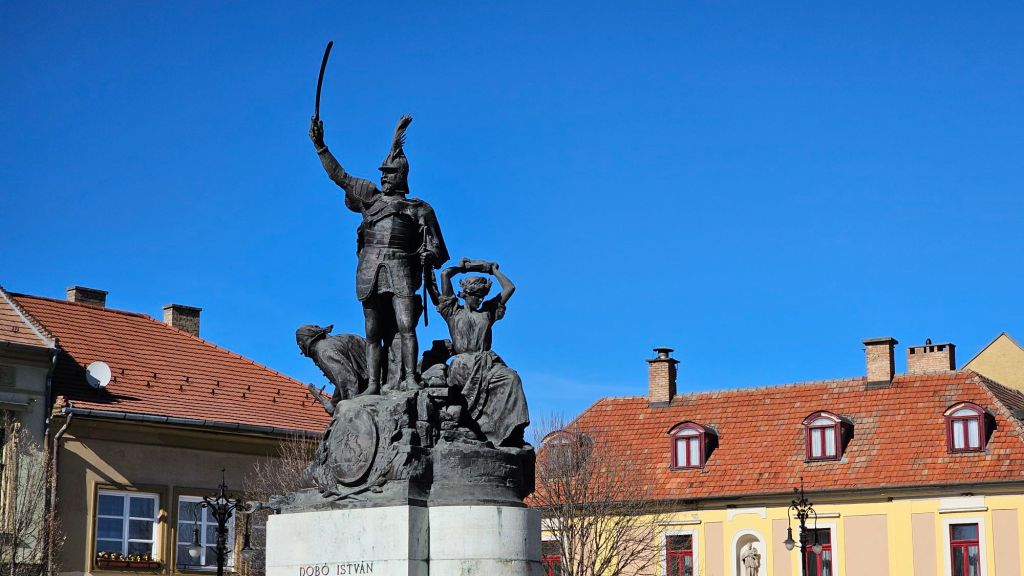
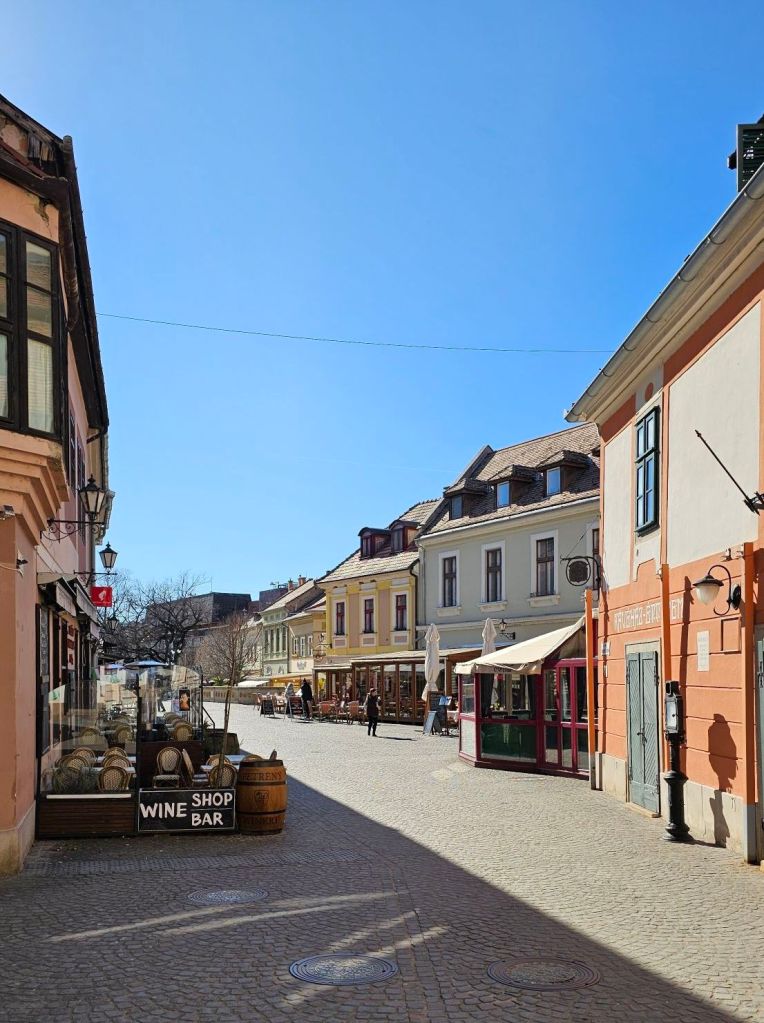
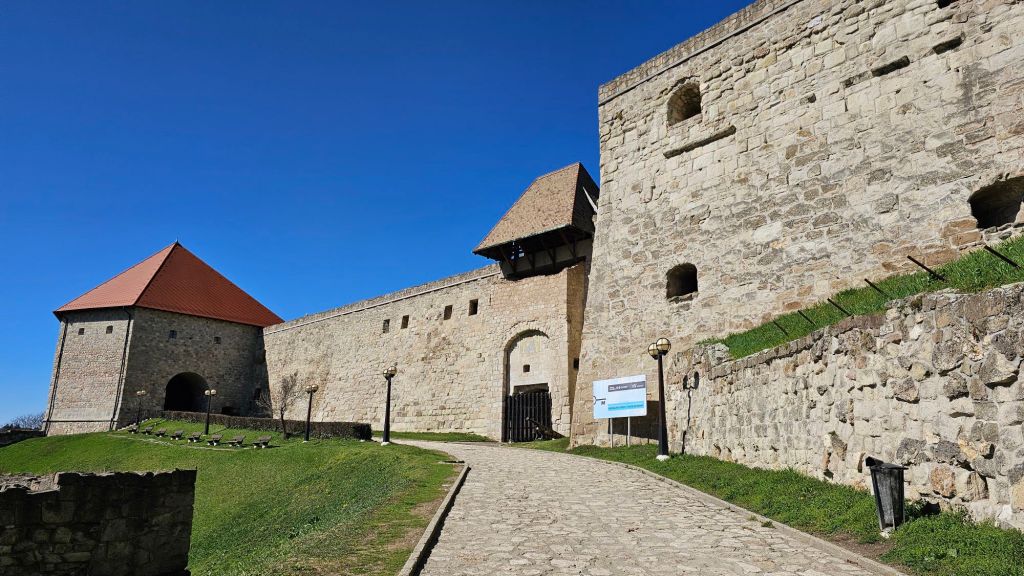
Unlike most of the tourist attractions and museums I went into in Budapest, most of the staff did not speak much English. Most of the signage and placards had English translations, however there was a huge section with a lot of information that was only in Hungarian. Thankfully Google Translate can automatically overlay a translation onto the text using your camera (I don’t think Apple can do that lol.)
The castle grounds and walls were not the easiest to navigate, but I did remind myself it wasn’t originally built to be a museum.
Being a weekday, there weren’t too many people there. Just one or two wandering couples, and a few small school trips. There were hardly any staff around.
Once you buy your ticket you are free to climb the walls and wander the grounds.
I made my way to through the defenses, where they had cannons aimed through the gunports. I walked along the walls and took in the view of modern day Eger. Today, you see houses, modern buildings, roads. But I tried to imagine what the view was like in 1552.
In 1552, the fortress only had a garrison of about 2000 soldiers. It was at a strategic location so the Ottomans committed an estimated 60,000-100,000 troops to taking Eger (although some estimates are even more than that.)
I attempted to put myself in the shoes of an everyday solidier standing on those walls, or looking through the gun ports. How did it feel to see an army with such vastly superior numbers getting into formation? Were there any feelings of dread, hopelessness, maybe even resignation? Only an incredible amount of courage and strategy could face such odds.
By all accounts, that is exactly what happened in Eger that autumn. The siege lasted 39 days, but eventually the Ottoman army withdrew. Today the story is a source of national pride for many Hungarians.
Walking the castle walls and taking in the museum, I reflected on what was so fascinating to me about ancient siege warfare.
It’s often about more than just tactics. They are stories of human resilience and resourcefullness. Tales of being given impossible odds and still suiting up.
They are also stories of the value of everyday people. During a large siege, it’s not just the role of soldiers to defend their home. Everyone becomes essential, from the blacksmiths/gunsmiths, to the engineers and stonemasons, all the way to whoever is managing the castle’s food stores. The women of Eger also famously fought on the castle walls, pouring boiling water onto incoming attackers.
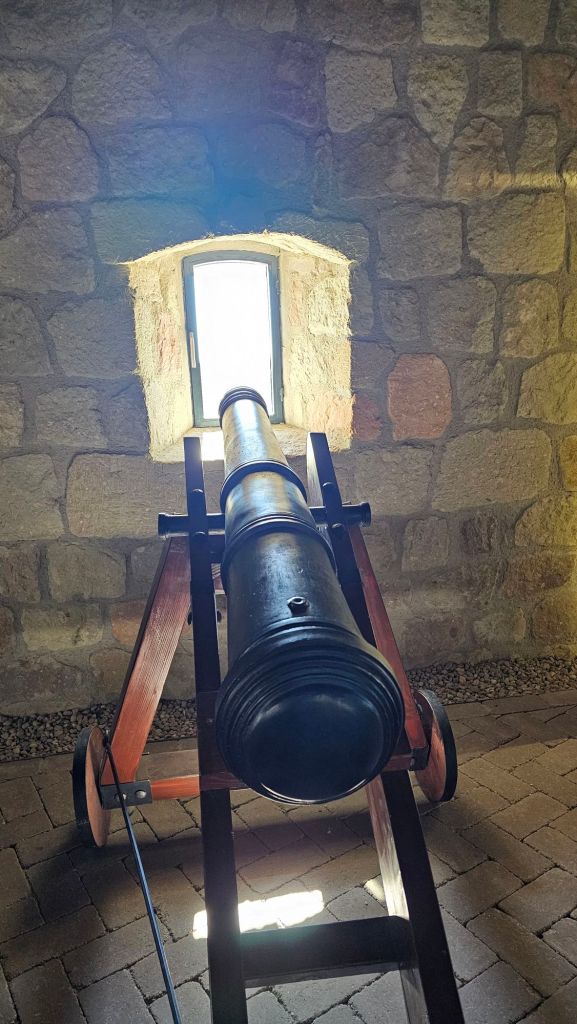
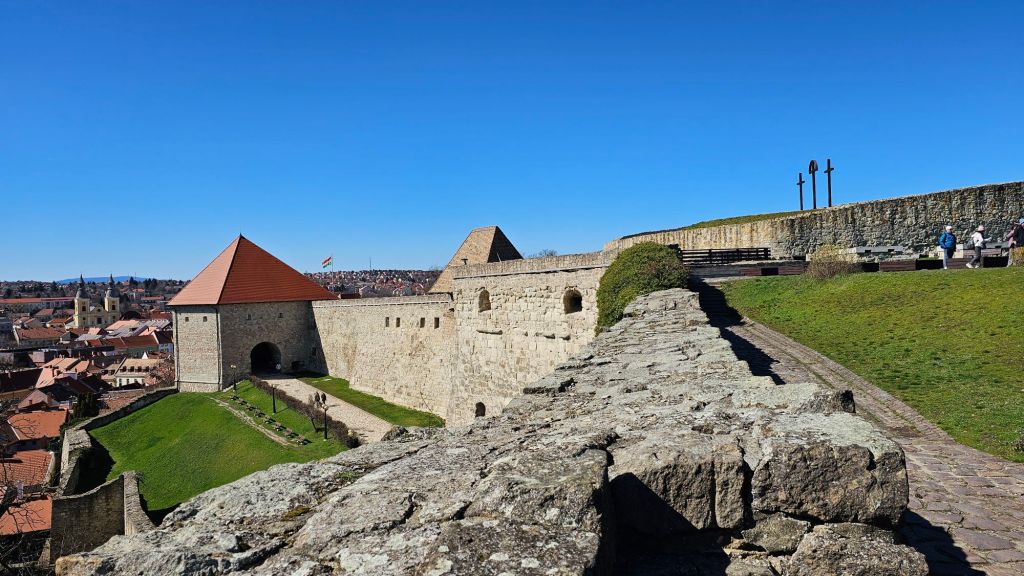
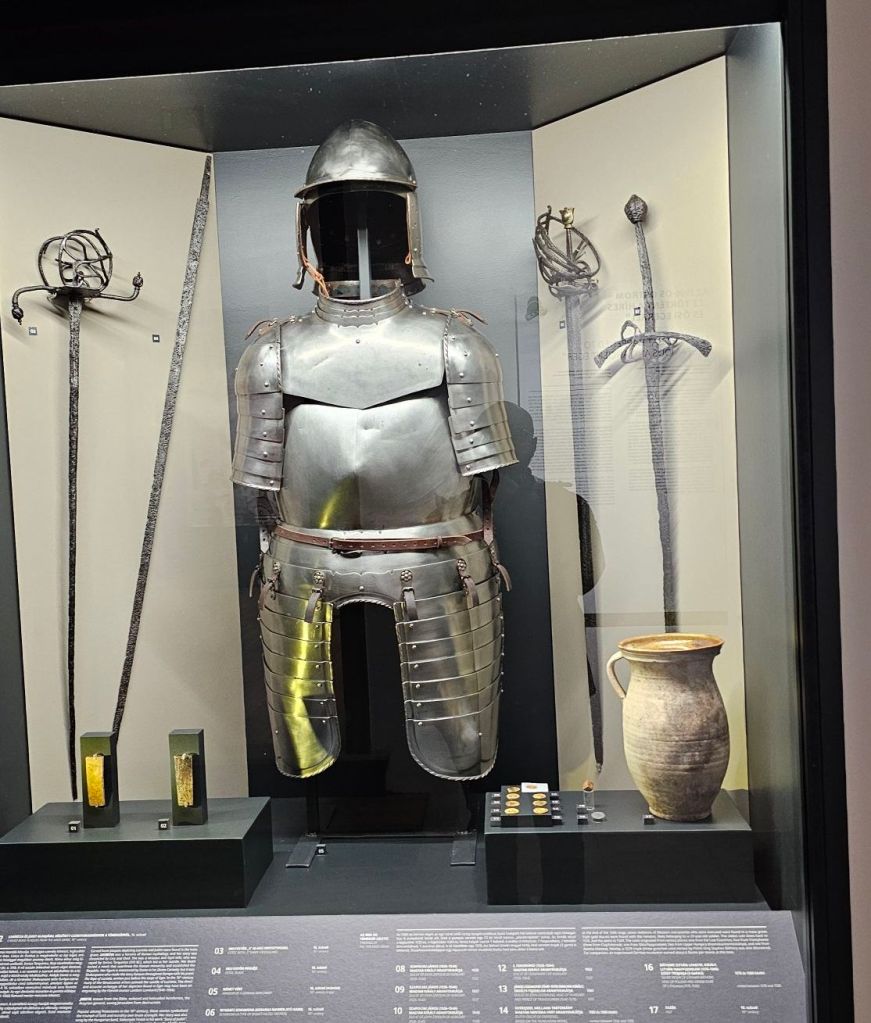
On the other side of the wall, what did it feel like to be a soldier in the Ottoman army? Being camped outside for over a month in the mud, cannons firing at you, wondering if today is the day your commmander tells you to climb the wall.
What would go through one’s mind if they were the first up a siege ladder, knowing that the first guy usually didn’t make it? Obviously there wasn’t a lot of information from the Ottoman army perspective, but there are enough books out there that I can read up on it to learn more.
It was a fascinating visit for me, but I’ll acknowledge it probably isn’t interesting for everyone. But if you’re into siege warfare and history, you might want to give it a try!
More later. Time to take this train time to read some more fiction involving knights and castles.
For now, here’s some more photos:
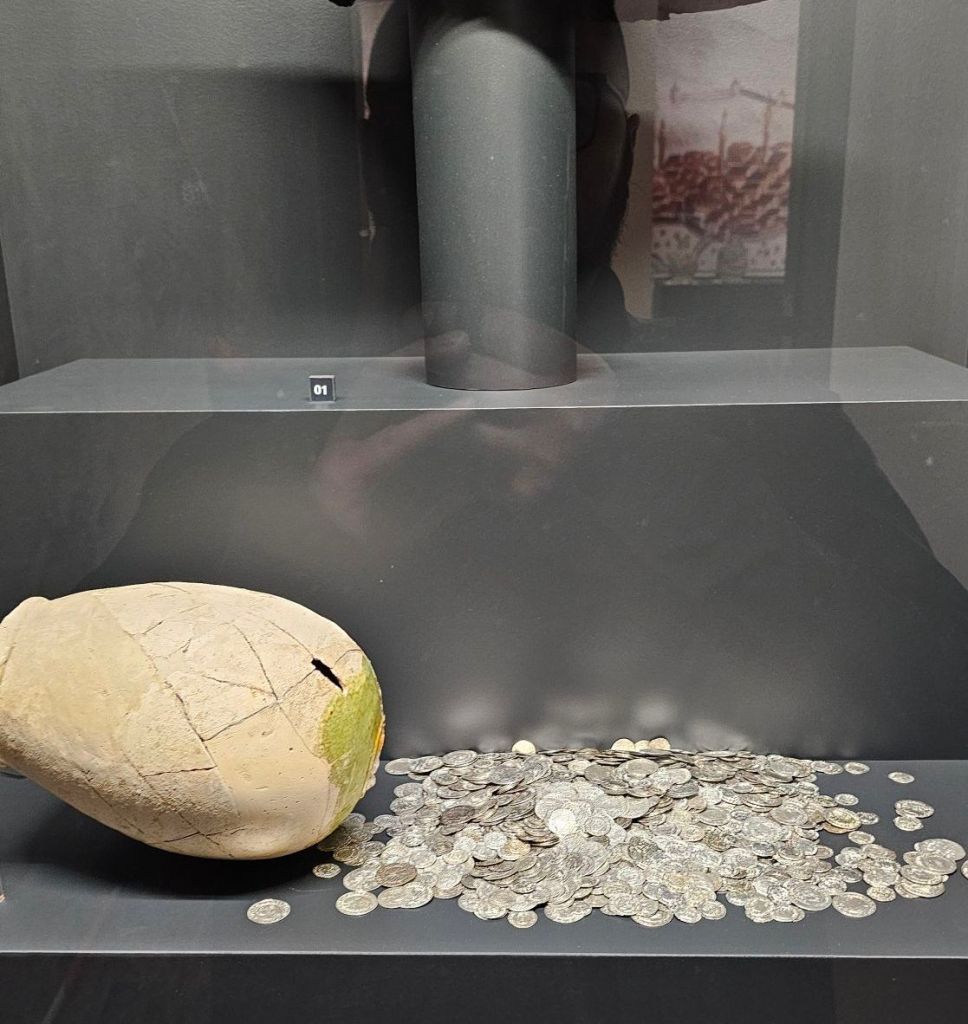

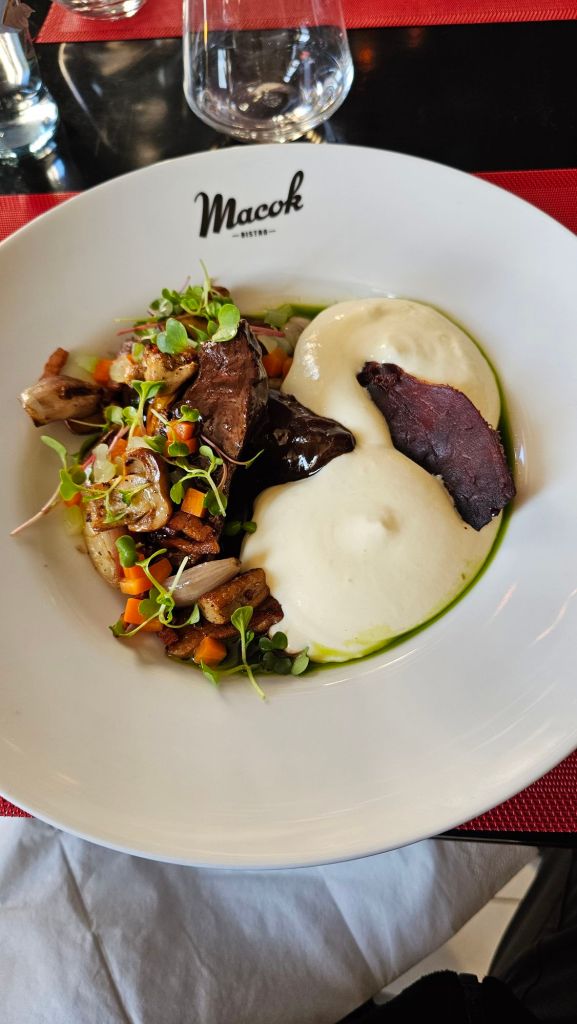
 Travel, write, and eat with Jordan
Leave a comment